

Should You Go to the Walk-In Clinic or to the Emergency Room?
Making the right choice between the emergency room and a walk-in clinic matters because it helps you get the care you need while keeping the healthcare system running smoothly. Many people in Ontario are unsure which option is best when they or a loved one suddenly feels unwell. By understanding the role of each, you can make a confident decision.
When Should You Go to the Emergency Room
The emergency room exists for life-threatening conditions and urgent health problems that could quickly become worse if not treated immediately. ER doctors and nurses are trained to deal with serious illness, trauma, and emergencies that need fast intervention. If you are facing a major crisis, this is where you belong.
You should go to the emergency room if you experience:
- Chest pain or signs of a heart attack
- Severe bleeding that will not stop
- Sudden shortness of breath or trouble breathing
- A head injury, loss of consciousness, or seizure
- Broken bones with visible deformity
- Severe abdominal pain
- Sudden weakness, numbness, or difficulty speaking (possible stroke)
The common thread is urgency: emergencies involve conditions that could deteriorate in hours or days without immediate help.
When Should You Go to the Walk-In Clinic
Walk-in clinics are designed for non-emergency care. These clinics help people with minor illnesses, mild injuries, or routine health needs. Doctors at walk-ins can examine you, prescribe medication, and refer you for further testing if required. If you are dealing with an issue that is uncomfortable or disruptive but not life-threatening, the walk-in is the right place.
You should visit a walk-in clinic if you need care for:
- Minor cuts, abrasions, or sprains
- Flu-like symptoms, coughs, or sore throats
- Ear infections or eye infections (including pink eye)
- Blood pressure checks or medication refills
- Mild pain or aches after a fall without obvious fracture
- Rashes, skin irritations, or minor allergic reactions
The walk-in clinic helps when your family doctor is not available, and it prevents unnecessary visits to the emergency room. Many patients in Ontario use walk-ins as a bridge between family care and more urgent settings.
Book a Same-Day Appointment at Infinity Health Walk-In Clinic
Need medical care today but worried about long waits? At Infinity Health, we make it easy to see a doctor same-day.
Book online to skip the crowded waiting room and plan your day around your appointment.
Infinity Health Locations
Toronto: 39 Lower Simcoe Street, Toronto, ON M5J 3A6
Oakville (Bronte Village): 2441 Lakeshore Rd W, Oakville, ON L6L 5V5
Book An Appointment Today


Can You Book an Appointment at Walk-in Clinics in Ontario? - Yes
Walk-in Clinics
Walk-in clinics in Ontario provide medical care for non-emergency health concerns without the need to visit the emergency room.
These clinics are designed to treat issues that are not life-threatening, such as minor cuts, sprains, infections, or flu-like symptoms.
A walk-in clinic fills the gap when your family doctor is unavailable or when you do not have a family doctor. Walk-in clinics serve as an accessible and practical option for patients who need care quickly.
Can You Make an Appointment? – Yes
Patients can now book appointments at many walk-in clinics in Ontario, including Infinity Health. The old model of walk-in care often meant long waits because patients were seen only in order of arrival. With appointment systems in place, patients can schedule a time slot and reduce waiting time at the clinic.
Booking an appointment at a walk-in clinic does not change the type of care you receive. Doctors and nurse practitioners at walk-ins still focus on short-term issues and will redirect you to the emergency room if your condition requires urgent or hospital-based treatment.
Book a Same-Day Appointment at Infinity Health
Infinity Health offers same-day appointments at its Toronto and Oakville locations. Patients can book online or by phone, making it easier to access care when needed.
Same-day appointments help reduce the stress of waiting and give patients confidence that their health concerns will be addressed promptly.
Infinity Health operates as a walk-in clinic, but by adding booking options, it ensures faster and more organized care for the community.
Infinity Health Locations
Toronto: 39 Lower Simcoe Street, Toronto, ON M5J 3A6
Oakville (Bronte Village): 2441 Lakeshore Rd W, Oakville, ON L6L 5V5
Book An Appointment Today

Finding a Family Doctor in Ontario - a Full Guide
Family Doctors in Ontario
Family doctors in Ontario act as primary care providers who manage your overall health. They see patients for both routine checkups and ongoing medical concerns. Family doctors provide continuity of care by building a long-term relationship with you, monitoring changes over time, and coordinating treatment when other specialists are involved. Family doctors also take responsibility for long-term health management and chronic conditions.
There are two types of family doctor practices, traditional family doctors and family health teams.
Family Doctor Practices
Traditional family doctor practices operate under a fee-for-service model, meaning doctors are paid for each visit. This structure can lead to fully booked schedules, as physicians often see as many patients as possible. These practices give you the advantage of consistency, since you generally see the same physician each visit. However, the demand for appointments can make it difficult to secure timely access when you need care.
Family Health Teams
Family Health Teams are collaborative practices funded by the government to provide care for a roster of patients. These teams are made up of family physicians working alongside nurse practitioners, registered nurses, social workers, dietitians, and other allied health professionals. The team model ensures availability of care within the group and discourages the use of walk-in clinics, since funding is tied to providing comprehensive care internally. For you as a patient, the main difference is that you may see different professionals within the team depending on your needs, but your care remains coordinated.
How To Find a Good Family Doctor
Finding a family doctor in Ontario can be challenging because many practices fill up quickly. The process depends on availability, since some doctors choose to roster new patients while others do not. A good family doctor will be someone you can see regularly, who understands your medical history, and who is available when you need care.
Looking for a Family Doctor
- Check local listings, signs, or online directories like the Ontario Medical Association or regional resources to see which practices are accepting new patients.
- Call the office directly and ask if they are currently rostering family medicine patients.
- Ask friends, family, or community members for recommendations, since word of mouth can help identify reliable practices.
- Consider if you prefer a solo practice or a Family Health Team, as this may affect how care is delivered.
- Be prepared for limited openings, as spots for new patients can sometimes fill in minutes.
Signing Up with a Family Doctor
- Call the clinic and state that you are looking to sign up with a family doctor.
- Book an intake appointment, where the doctor may review your medical history and current needs.
- Attend the appointment so the physician can decide if they will accept you as a patient.
- If accepted, complete the necessary paperwork to become rostered under that doctor or Family Health Team.
- Once registered, use the practice for regular care, follow-ups, and referrals when needed.
Family Doctor Directories You Can Use for Your Search
Finding a family doctor in Ontario is easier when you know where to search. Several official and regional directories provide up-to-date information about doctors, their locations, and whether they are accepting new patients. Below are key resources you can use:
Ontario and Canada Directories
- Health Care Connect – Ontario.ca -A provincial program that matches people without a family doctor or nurse practitioner to providers who are accepting new patients.
- College of Physicians and Surgeons of Ontario (CPSO) Doctor Search - The regulatory body’s official directory, allowing you to search for physicians by name, specialty, or location and check if they are taking new patients.
- College of Family Physicians of Canada – Member Directory - A national directory that lists certified family physicians, with filters for province and practice information.
- Ontario Health Services Directory - A government resource that lists clinics, hospitals, doctors, and community health programs across the province.
Toronto and GTA Directories
- Toronto Central Health Line — Family and General Practitioners - A Toronto-specific directory with listings of family doctors and general practitioners across the central city.
- Humber River Hospital – Family Doctors Accepting New Patients (North York / Downsview) - A hospital-published list of family doctors in the North York and Downsview areas who are accepting new patients.
- Halton Physicians Accepting New Patients - A list of family doctors in Burlington, Halton Hills, Milton, and Oakville who are currently accepting new patients.
London Area Directories
- London & District Academy of Medicine – Find a Doctor - A regional directory specifically for the London area, showing family doctors currently accepting patients.
Is It Possible to Switch Family Doctors? – Yes
Switching family doctors in Ontario is possible, though it involves a formal process. The Ministry of Health oversees the switch, and paperwork is submitted by your new doctor to complete the transfer. As a patient, you have the right to choose another provider if you are not satisfied with your current care. The challenge lies in finding a new doctor, since openings are limited and many practices are full. Because of this, some people stay with their current doctor even when they would prefer to change.
Alternatives If You Can’t Find a Family Doctor
If you cannot find a family doctor, there are still other ways to get medical care. Walk-in clinics are the most common option, offering treatment for non-emergency issues, prescription refills, and routine checks. Pharmacists in Ontario can now diagnose and prescribe for about 14 minor conditions, including pink eye and urinary tract infections. Specialists can manage chronic conditions if you receive a referral from a walk-in or emergency physician. In urgent cases, emergency rooms remain open at all times. These alternatives can help bridge the gap until you secure a family doctor.
Book a Same-Day Walk-in Appointment at Infinity Health
At Infinity Health, we understand how stressful it can feel when you need care but don’t have a family doctor available. That’s why our walk-in clinics in Toronto and Oakville offer same-day appointments for non-emergency medical issues. We provide timely access to doctors who can help with minor illnesses, medication refills, and routine health concerns.
We encourage you to book a same-day walk-in appointment with us if you need medical help. Our clinics are designed to give you quick, reliable care when you need it most, without the long waits of emergency rooms. Whether you’re dealing with a new problem or need follow-up support, we are here to help. Book today and let us take care of you.
Infinity Health Locations
Toronto: 39 Lower Simcoe Street, Toronto, ON M5J 3A6
Oakville (Bronte Village): 2441 Lakeshore Rd W, Oakville, ON L6L 5V5
Book An Appointment Today

Do Family Doctors Allow You To Use Walk-in Clinics? - Full Explanation
Family doctors are the cornerstone of primary care in Ontario, and they provide continuity of care by following your health over time. A family doctor knows your medical history, manages chronic conditions, and coordinates referrals to specialists.
Family doctors operate under different practice models, which affects how patients can access other healthcare services. In Ontario, the two main types are traditional family doctor practices and Family Health Teams. Each model has specific rules about using walk-in clinics, which can change your options when you need quick medical help.
Do Family Doctors Allow You To Use Walk-in Clinics? – It Depends
Whether you can use a walk-in clinic depends on the type of family doctor practice you are part of. Traditional fee-for-service practices generally allow patients to visit walk-in clinics, while Family Health Teams discourage or block this option. The Ontario government sets funding models that shape these rules, and the doctor’s pay structure changes depending on whether you stay within the team or seek care elsewhere. Understanding these differences helps you make better decisions about your healthcare.
Traditional Family Doctor Practices Allow Walk-in Clinic Use
Traditional family doctors are usually paid through a fee-for-service model, which means they bill the government for each appointment. Patients rostered under these practices are still free to visit walk-in clinics when their family doctor is not available. The government does not restrict these visits in the same way it does for Family Health Teams. Many patients rely on walk-in clinics for minor illnesses, prescription renewals, or urgent but non-emergency issues when their family doctor’s schedule is full. This flexibility benefits patients who need timely care without waiting days or weeks for an appointment.
In this model, there is no financial penalty to the doctor if you use a walk-in clinic. The main drawback is that continuity of care can be interrupted because the walk-in doctor does not know your full medical history. However, traditional practices often accept that patients will use walk-in services from time to time. For you as a patient, this means greater freedom to seek care where and when you need it.
Family Health Teams Don’t Allow Walk-in Clinic Use
Family Health Teams work differently, and they discourage or block patients from using walk-in clinics. These teams receive a fixed pool of funding to care for their rostered patients, and they must provide availability for after-hours care within the team. If you belong to a Family Health Team and you go to a walk-in clinic, the government may reduce the team’s pay. As a result, many teams have rules that require you to contact them instead of visiting a walk-in clinic.
In practice, this means that if you are part of a Family Health Team, you are expected to call your team first, even during evenings or weekends. They must arrange care for you within the group, whether through on-call doctors, nurse practitioners, or other team members. This model is designed to keep care within the team, ensure continuity, and reduce unnecessary use of walk-in services. For you, the tradeoff is less freedom but more structured access to coordinated care.
Can You Pay For a Walk-in Clinic Out of Pocket? – Yes
Patients in Ontario can pay out of pocket to use a walk-in clinic, even if they belong to a Family Health Team. Clinics may charge a fee for uninsured visits, such as if you do not have a valid OHIP card or if you want to avoid the restrictions of your family doctor’s funding model. Paying privately does not involve government billing, so the penalties to your family doctor or team do not apply.
Out-of-pocket visits are uncommon because most patients rely on OHIP coverage, but they remain an option. This choice may appeal to you if you need immediate care and cannot reach your family doctor or Family Health Team in time. While private payment ensures access, it also means you are responsible for the full cost of the visit.
Book a Same-Day Walk-in Appointment at Infinity Health
Same-day access to care is one of the main reasons people use walk-in clinics. At Infinity Health, we offer same-day walk-in appointments for patients who need immediate medical help. You can book online or walk in directly, and our clinics in Toronto and Oakville are designed to handle non-emergency conditions quickly and effectively.
Infinity Health Locations
Toronto: 39 Lower Simcoe Street, Toronto, ON M5J 3A6
Oakville (Bronte Village): 2441 Lakeshore Rd W, Oakville, ON L6L 5V5
Book An Appointment Today

Giant Hogweed in Ontario - Everything You Need to Know
What is Giant Hogweed
Giant hogweed is a large invasive plant that poses serious health risks to anyone who comes in contact with its sap. The plant grows up to five metres tall, with thick hollow stems that have purple blotches and coarse white hairs. Its leaves can stretch over a metre wide, and it produces umbrella-shaped clusters of white flowers. The danger comes from its sap, which contains chemicals that make your skin extremely sensitive to sunlight. When sap touches skin, even small amounts can cause severe burns, blistering, and long-term scarring.
Prevalence of Giant Hogweed in Ontario
Giant hogweed has spread widely across Ontario and is now found in many rural, suburban, and even urban areas. It grows along riverbanks, ditches, roadsides, and open fields where there is moist soil and plenty of sunlight. In some regions, local conservation authorities actively work to control and remove it, but it continues to spread. Ontario residents often mistake giant hogweed for other large plants like cow parsnip or Queen Anne’s lace, which makes its presence even more concerning. Because it thrives in disturbed soil, construction sites and trail edges are frequent spots where you might encounter it.
Identifying Giant Hogweed
Recognizing giant hogweed quickly is important so that you can avoid contact.
- Giant hogweed has white flower clusters that form in large umbrella-like heads, often more than half a metre across.
- Its stem is thick, green with purple blotches, and covered in coarse hairs.
- The leaves are deeply divided and jagged, with a sharp, irregular outline.
- Cow parsnip, which looks similar, is smaller, usually grows to two metres, and has less jagged leaves.
- If you are unsure whether a plant is giant hogweed, the safest action is to avoid touching it altogether.
What Happens If You Come in Contact with Giant Hogweed
Contact with giant hogweed is dangerous because its sap reacts with sunlight to damage skin.
- The sap contains chemicals that react with ultraviolet light, causing severe burns and blistering.
- The skin reaction, called phytophotodermatitis, can leave black or purplish scars lasting for years.
- Eyes exposed to sap are at high risk of temporary or permanent blindness.
- The severity depends on the amount of sap, the length of sun exposure, and how quickly you wash it away.
- Children and pets face higher risk because they often brush against the plant without realizing the danger.
What To Do If You Come in Contact with Giant Hogweed
If you come into contact with giant hogweed sap, immediate steps can reduce the risk of serious injury.
- Move out of sunlight right away, since light exposure makes the reaction worse.
- Wash the affected area with plenty of soap and cool water as soon as possible.
- Cover the skin with clean clothing or a bandage to block sunlight.
- If sap gets into your eyes, rinse with water immediately and keep them shaded.
- Do not wait for symptoms to appear—take protective action quickly, even if you feel fine.
You Should Go To a Walk-In Clinic or Emergency Room
When you have been exposed to giant hogweed, knowing where to seek medical care depends on the severity of your symptoms. A walk-in clinic is appropriate if you have mild to moderate skin exposure, such as redness, irritation, or blisters that are not spreading quickly. Walk-in clinics treat non-life-threatening conditions and can provide cleaning, dressings, and prescriptions for creams or medications to help manage pain and prevent infection. However, if you are experiencing extensive blistering, severe pain, swelling near your eyes, or if sap has touched your eyes, you should go to the emergency room immediately. Emergency rooms are better equipped to handle severe injuries, large burns, or potential vision loss. For children, elderly patients, or anyone with large areas of exposed skin, the emergency room is the safer option.
Book a Same-Day Walk-in Appointment at Infinity Health
If you have a mild reaction to giant hogweed or need quick medical attention for non-life-threatening symptoms, booking a same-day walk-in appointment can help you receive timely care. At Infinity Health clinics in Toronto and Oakville, doctors are available to treat skin reactions, provide proper wound care, and prescribe medication when needed. Our clinics specialize in urgent but non-emergency conditions, so you can be seen quickly without the long waits common in emergency rooms. We understand that contact with giant hogweed is stressful, and we aim to make the process of getting treatment easier. If you need help today, you can book a walk-in appointment with us and get the care you need right away.
Infinity Health Locations
Toronto: 39 Lower Simcoe Street, Toronto, ON M5J 3A6
Oakville (Bronte Village): 2441 Lakeshore Rd W, Oakville, ON L6L 5V5
Book An Appointment Today

What To Do If You Got Bit By a Wild or Stray Animal – A Guide for Ontario
Animal Bite Prevalence in Ontario
Animal bites occur regularly in Ontario, with many involving stray dogs, feral cats, raccoons, or other wild animals found in both rural and urban areas. Public health units track reports of animal bites because of the risk of rabies, infections, and other complications. Stray animals can be unpredictable, and wild animals may carry diseases that are not obvious at the time of the bite. Even in cities, residents often encounter raccoons or skunks that can transmit rabies. While not every bite leads to serious illness, Ontario health authorities emphasize reporting and treating animal bites early.
In a study of households in southern Ontario, 10.76% of urban households and 6.09% of rural households reported at least one person bitten by a dog in the prior year.
In Wellington-Dufferin-Guelph Public Health during 2010–2011, there were 1.55 animal bites per 1,000 residents per year reported.
In the KFL&A Public Health region from 2017 to 2023, there were 1,743 reported animal bites.
In Southwestern Public Health, for 2019-2021, there were 455 animal bite investigations reported in one year; most of the bites were from domestic animals. The region also has almost double the rate of Emergency Department visits for bites compared to the provincial average.
What Should You Do If You Got Bit by a Wild or Stray Animal
When you are bitten by a wild or stray animal, follow these steps to protect yourself:
- Wash the wound thoroughly with soap and clean water to remove saliva, dirt, and bacteria.
- Apply a clean dressing or bandage to cover the wound and reduce risk of dirt entering.
- Try to identify or locate the animal; note what kind it was, whether it appeared sick, and if it was owned or stray.
- Report the bite to your local public health unit; they may need to monitor or test the animal for rabies.
- Seek professional medical evaluation—at least at a walk-in clinic or emergency department, depending on the severity of the bite.
- Make sure your tetanus vaccination is up to date; sometimes antibiotics will be needed if there’s risk of infection.
- Get your rabies vaccine.
These steps reduce risk of infection, help determine whether rabies post-exposure treatment is needed, and ensure proper wound care.
See also: Getting the Rabies Vaccine in Ontario - Everything You Need to Know
It's Important to Treat Animal Bites Immediately
Prompt treatment of animal bites is essential because delay can increase the chance of infection and complications. Rabies is fatal once symptoms appear, but it can be prevented with timely vaccination. Ontario public health guidelines require that all suspected rabies exposures be reported and assessed. A doctor can decide whether you need rabies post-exposure prophylaxis, which involves a series of vaccines given shortly after the bite.
Book a Same-Day Walk-in Appointment at Infinity Health
Infinity Health offers same-day walk-in appointments, making it easier to get care quickly after an animal bite. Our clinics in Toronto and Oakville provide comprehensive services, including medical assessments, wound care, prescriptions, and follow-up if needed. Being able to see a doctor on the same day ensures that you don’t lose valuable time in starting treatment.
Infinity Health Locations
Toronto: 39 Lower Simcoe Street, Toronto, ON M5J 3A6
Oakville (Bronte Village): 2441 Lakeshore Rd W, Oakville, ON L6L 5V5
Book An Appointment Today
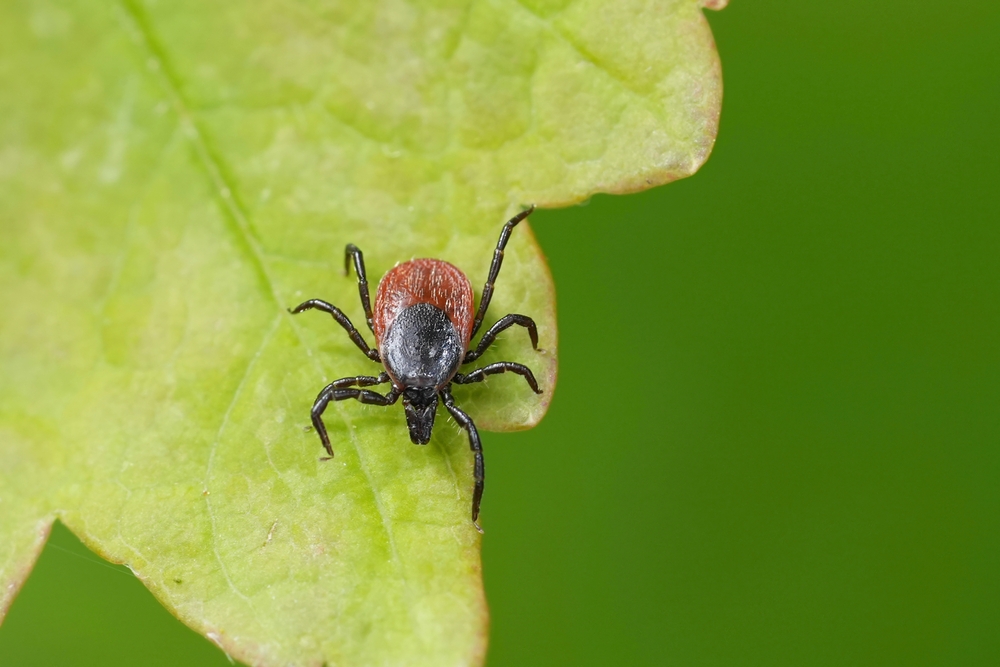
Getting Bitten By a Tick in Ontario - Everything You Need to Know
Why Tick Bites Are a Health Concern
Tick bites pose a serious risk because ticks can carry bacteria, viruses, or parasites that infect people. When a tick bites, it may transmit these pathogens into your bloodstream, which can lead to diseases like Lyme disease, anaplasmosis, babesiosis, Powassan virus, and others. Even ticks without known pathogens can cause allergic reactions or skin irritation.
Tick-borne diseases often begin with non-specific symptoms—fever, headache, fatigue, or rash—which can delay diagnosis. If untreated, some infections escalate and cause longer-term issues affecting joints, the heart, or the nervous system. Because signs can be mild at first, you might not realize the issue until the disease has progressed.
For someone considering using a walk-in clinic, knowing about tick bite risks matters: walk-in clinics can assess recent tick exposure, diagnose potential infection early, and in many cases start treatment quickly. Early intervention reduces chances of severe complications.
Where Are Ticks Prevalent in Ontario
Ticks, especially blacklegged ticks (also called deer ticks or Ixodes scapularis), are increasingly established in many parts of Ontario. According to Public Health Ontario, there are multiple “blacklegged tick established risk areas” where tick populations reproduce locally. These areas often align along the northern shores of Lake Erie, Lake Ontario, and the St. Lawrence River.
Incidence of Lyme disease has been rising. In 2020, Ontario reported 5.7 confirmed cases per 100,000 people. In Ottawa, which is within an area of growing tick risk, the incidence in 2021 was 27 per 100,000, compared to the provincial average of about 11 per 100,000 in that same year.
Seasonally, ticks are most active in the spring, summer, and early fall. They thrive in humid conditions, leaf litter, wooded or brushy areas, tall grass, and along forest edges. However, any environment with suitable hosts (deer, mice, birds) and enough moisture can support tick populations.
Types of Ticks in Ontario
There are many types of ticks recorded in Ontario; some are established, others are adventive (arriving but not yet reproducing locally), and some are travel-related. Among the established species, these are the most relevant to human health:
- Blacklegged tick (Ixodes scapularis): This tick is the main concern for Lyme disease. It also can carry other pathogens. It has increased its range in Ontario.
- American dog tick (Dermacentor variabilis): Common. Less likely to transmit Lyme disease. It more often causes bites and possible local reactions.
Other ticks of interest:
- Groundhog tick (Ixodes cookei)
- Lone star tick (Amblyomma americanum) - Not established fully in Ontario in all areas but reported in southern parts (including Wellington County, London, and Waterloo) and often transported by migratory animals. It can carry pathogens and may cause allergic reactions.
Understanding which type bit you matters because some ticks are high risk for disease, others less so. A walk-in clinic can help identify the tick type, assess the risk, and determine what treatment or follow-up is needed.
Lyme Disease
Lyme disease is the most common illness spread by ticks in Ontario, and it is transmitted primarily through the bite of the blacklegged tick. The infection is caused by the bacterium Borrelia burgdorferi, which can enter your bloodstream if an infected tick stays attached long enough, usually more than 24 hours.
Early symptoms often include fatigue, fever, headache, muscle aches, and the distinctive expanding rash known as erythema migrans. Not everyone develops the rash, which can make diagnosis more challenging. If untreated, the infection can spread to joints, the heart, and the nervous system, leading to arthritis, heart rhythm problems, or neurological symptoms.
Treatment is most effective when started early. A walk-in clinic can evaluate your risk, review the tick exposure, and prescribe antibiotics if appropriate. If you visit soon after noticing a bite, you improve your chances of avoiding long-term complications.
Other Health Risks from Ticks
Ticks in Ontario can carry pathogens other than Borrelia burgdorferi. Although Lyme disease is the most well-known, these additional risks are important to keep in mind:
- Anaplasmosis – bacterial infection causing fever, muscle aches, and low white blood cell counts.
- Babesiosis – parasite infection that affects red blood cells, sometimes severe in older or immunocompromised individuals.
- Powassan virus – rare but serious virus that can cause encephalitis and meningitis.
- Borrelia miyamotoi disease – relapsing fever illness transmitted by the same tick species that carry Lyme disease.
- Rocky Mountain spotted fever – uncommon in Ontario but possible from imported ticks.
Recognizing these risks highlights the importance of getting medical advice quickly after a bite. Walk-in clinics can provide an initial assessment and guide you to further care if advanced testing or specialist involvement is needed.
How To Recognize a Tick Bite
Identifying a tick bite is not always easy, especially because ticks are small and often painless when they attach. These steps can help you recognize a possible bite:
- Check for the tick itself – look closely at your skin for a small dark or reddish-brown insect attached firmly.
- Look for a small red bump – after removal, a mild reaction like a mosquito bite is common.
- Watch for an expanding rash – a circular or bull’s-eye rash spreading from the site can indicate Lyme disease.
- Notice unusual symptoms – fever, fatigue, or muscle aches after outdoor exposure may point to a tick bite.
- Inspect high-risk areas – ticks often attach behind the knees, in the armpits, at the waistline, or on the scalp.
Prompt recognition allows you to remove the tick safely and seek medical help sooner. A walk-in clinic visit can confirm whether treatment is necessary and provide guidance on monitoring for signs of illness.
What To Do If You’ve Been Bitten by a Tick
If a tick bites you, acting quickly and correctly can lower your risk of disease. The following steps help you manage the situation and decide if you need medical care:
- Remove the tick safely — Use clean fine-point tweezers, grasp the tick close to the skin, and pull straight up with steady pressure. Do not twist or jerk.
- Clean the bite area and your hands — Wash with soap and water or use an alcohol-based sanitizer or rubbing alcohol.
- Preserve the tick (if possible) — Place it in a sealed bag or container, or in alcohol. Note where and when the bite occurred (date, location on body, where you were). This helps if testing or identification is required.
- Monitor for symptoms for about 30 days — Watch for fever, chills, aches, rash (especially expanding or bull’s-eye type), fatigue, or swelling near the bite.
- Consider antibiotic prophylaxis under certain conditions — If the tick was a blacklegged tick, was attached > 24 hours, removed in the past 72 hours, acquired in a high-risk area, and you have no contraindications (e.g. allergy), a single dose of doxycycline may be recommended. Otherwise, wait and see while monitoring symptoms.
- Seek medical attention — If you develop symptoms, or if you’re unsure about the tick species, the risk, or your health condition (pregnancy, young child, immunocompromised etc.), go to a clinic. A walk-in clinic can assess, decide if testing or treatment is needed.
How To Prevent Tick Bites
You can significantly reduce your risk of being bitten by a tick by following these preventive steps every time you go into tick habitat or wooded/brushy areas:
- Wear protective clothing — Long sleeves, long pants tucked into socks, closed-toe shoes; light-coloured clothing to spot ticks more easily.
- Use repellents — Apply insect repellent approved for ticks on your skin or clothing; treat boots, pants with permethrin if possible.
- Stick to paths — Avoid walking through tall grass, dense bushes, or leaf litter; stay on trails or clear ground.
- Perform tick checks soon after being outdoors — Check your body thoroughly (scalp, armpits, groin, behind knees) and check clothes and gear.
- Shower soon after returning indoors — Showering within a couple of hours of coming indoors can help wash off ticks before they attach.
- Manage your environment — Around your home, clear brush, mow grass, remove leaf litter; create separation between lawn and wooded areas.
Ontario Tick Resources
Here are useful resources in Ontario to help you with tick-bite risk, identification, prevention, and what to do afterwards:
- Ontario Vector-Borne Disease Tool (Public Health Ontario): interactive maps, case data, risk areas for blacklegged ticks and vector-borne diseases.
- Public Health Ontario’s Lyme Disease page: symptoms, treatment guidelines, prevention tips.
- Public Health Ontario’s Clinical Guidance Document: management of tick bites and early localized Lyme disease.
- Ottawa Public Health’s Lyme Disease Algorithm: a guide for when to treat, when to observe, especially after tick bites.
- OFA (Ontario Federated Agriculture) Tick Protection & Prevention Information: practical info on habitat, clothing, repellents, removing ticks.
- eTick: a photo-based identification platform for ticks, useful if you want to identify a tick you found.
Book a Same-Day Walk-in Clinic Appointment at Infinity Health
If you’ve been bitten by a tick or are worried about possible symptoms, we’re here to help. At Infinity Health, we can assess your risk, provide treatment if needed, and give you peace of mind. Book a same-day walk-in appointment with us today and let’s take care of your health together.
Infinity Health Locations
Toronto: 39 Lower Simcoe Street, Toronto, ON M5J 3A6
Oakville (Bronte Village): 2441 Lakeshore Rd W, Oakville, ON L6L 5V5
Book An Appointment Today

Getting the Rabies Vaccine in Ontario - Everything You Need to Know
What is Rabies
Rabies is a viral infection that affects the central nervous system, leading to brain inflammation and, if untreated, death. The virus spreads primarily through the bite or scratch of an infected animal, most commonly bats, raccoons, skunks, and foxes in Ontario. Once symptoms appear—such as confusion, difficulty swallowing, or hydrophobia—the disease is almost always fatal. Because of this, rabies prevention through timely vaccination is a critical part of protecting your health.
What is the Rabies Vaccine
The rabies vaccine is a series of injections that help your immune system build protection against the virus. In Ontario, there are two main uses for the vaccine: pre-exposure vaccination for people at higher risk, and post-exposure prophylaxis (PEP) after contact with a potentially rabid animal. The vaccine uses inactivated virus, which means it cannot cause the disease itself. Instead, it stimulates your body to produce antibodies that neutralize rabies if you are exposed.
When Is It Recommended to Get the Rabies Vaccine?
The rabies vaccine is recommended in two circumstances: before you are exposed to the virus and immediately after possible exposure.
You may need the vaccine in advance if you:
- Work in animal-related professions such as veterinary medicine, animal control, or wildlife research.
- Plan travel to areas where rabies is common and medical care is limited.
- Handle bats regularly, since bites may go unnoticed.
If you are bitten or scratched by an animal that might have rabies, or if saliva from such an animal contacts a wound or mucous membrane, you need urgent medical care. Public Health Ontario advises that you begin treatment quickly, usually within 24 hours of exposure, to prevent the virus from progressing. Treatment usually includes both rabies immune globulin (RIG) and a series of rabies vaccine doses.
See also: What To Do If You Got Bit By a Wild or Stray Animal – A Guide for Ontario
Getting the Rabies Vaccine in Ontario
Accessing rabies vaccination in Ontario depends on the situation. If you are seeking pre-exposure vaccination, you can arrange this through certain travel clinics or occupational health services. If you have had a possible exposure, local public health units coordinate treatment. They assess the risk, authorize vaccine use, and direct you to the appropriate healthcare provider.
Walk-in clinics play a role when you need immediate medical attention after an animal bite. You can go to a walk-in clinic for the initial wound assessment and care, but rabies vaccine administration typically requires public health involvement. The clinic may clean the wound, start antibiotics or tetanus shots if needed, and then connect with your regional public health unit to confirm whether rabies treatment should begin.
If you are in Oakville or Toronto, Infinity Health walk-in clinics can provide immediate care for the injury and coordinate referrals. Public health will ensure the vaccine is supplied and scheduled. This system helps prevent misuse of emergency rooms for non-life-threatening issues while still protecting you from rabies.
Here are the basic steps to follow if you may have been exposed to rabies:
- Wash the wound thoroughly with soap and water for at least 15 minutes.
- Go to a walk-in clinic or emergency room as soon as possible.
- Report the incident to your local public health unit for risk assessment.
- Begin post-exposure prophylaxis if recommended, which includes rabies immune globulin and a vaccine series.
- Complete all vaccine doses as directed to ensure full protection.
Book a Same-Day Walk-in Clinic Appointment at Infinity Health
Rabies exposure is an urgent medical issue, and you should not wait to seek help. At Infinity Health, we make it easy to book a same-day appointment at our Toronto or Oakville walk-in clinics. We can assess your injury, provide immediate care, and work directly with public health to make sure you receive the rabies vaccine if it is required. Protecting your health is our priority, and we are here to help you get the right treatment quickly.
Infinity Health Locations
Toronto: 39 Lower Simcoe Street, Toronto, ON M5J 3A6
Oakville (Bronte Village): 2441 Lakeshore Rd W, Oakville, ON L6L 5V5
Book An Appointment Today

Where Can You Get an STD Test in Toronto?
STD Testing
STD testing is an important step in protecting both your health and the health of your partners. Sexually transmitted diseases and infections are common, and many do not cause symptoms right away. By getting tested, you can identify infections early, receive treatment, and reduce the risk of complications. In Ontario, testing is confidential and in most public clinics it is free.
Testing can include urine tests, swabs, or blood work depending on the infection being screened. Some clinics also offer rapid HIV testing, which provides results in minutes. If you are concerned about possible exposure, testing is the safest way to confirm your status.
When Should You Get Tested for STDs
You should get tested for STDs whenever there is a chance you may have been exposed. Regular testing is recommended if you are sexually active with new or multiple partners. Even if you feel healthy, infections can be present without symptoms.
Key times to get tested include:
- After unprotected sex with a new partner.
- If you or your partner develop unusual symptoms like discharge, sores, or pain.
- Before starting a new sexual relationship.
- If you share needles or other drug equipment.
- At regular intervals if you are sexually active and want peace of mind.
Testing should not be delayed, because early treatment can prevent long-term health problems and stop transmission to others.
Where Can You Get Tested for STDs in Toronto?
Toronto has many options for STD testing, including public health clinics, community health centres, and general walk-in clinics. Public facilities usually provide free services and do not require OHIP coverage. Community health centres offer testing along with other healthcare supports. Walk-in clinics are another option when you cannot access a family doctor, but may require OHIP or insurance for coverage.
Toronto Public Health Sexual Health Clinics
Toronto Public Health operates several sexual health clinics across the city. These clinics offer free testing, treatment, and counselling, and OHIP is not required.
- Crossways Clinic
- Address: 2340 Dundas St. W., Toronto, ON M6P 4A9
- Scarborough Clinic
- Address: 160 Borough Dr., Toronto, ON M1P 4N8
- Jane Street Clinic
- Address: 662 Jane St., Toronto, ON M6N 4A7
These clinics provide STI and HIV testing, treatment, birth control counselling, pregnancy testing, and vaccines for infections such as hepatitis and HPV. Some clinics allow walk-ins, while others require appointments.
Hassle Free Clinic
The Hassle Free Clinic has been serving Toronto for decades with a focus on accessible sexual health care. Services include STI and HIV testing, rapid HIV tests, treatment, and counselling.
- Address: 66 Gerrard St. E., 2nd Floor, Toronto, ON M5B 1G3
- Website: hasslefreeclinic.org
The clinic is well known for being inclusive and confidential. Some services are available on a walk-in basis, while others require booking in advance.
Birth Control & Sexual Health Centre
This centre provides testing, counselling, and treatment in a supportive setting. HIV testing can be anonymous or rapid, and pregnancy counselling is also available.
- Address: 960 Lawrence Ave. W., Suite 403, Toronto, ON M6A 3B5
- Website: birthcontrolsexualhealth.ca
Appointments are required, and services are available to anyone regardless of insurance coverage.
Black Creek Community Health Centre
Black Creek CHC operates two locations and offers sexual health services including STI testing. These centres also provide broader community healthcare support, which can be helpful if you need other services at the same time.
- Sheridan Mall Site
- Address: 2202 Jane St., Unit 5, Toronto, ON M3M 1A4
- Website: bcchc.com
- Yorkgate Mall Site
- Address: 1 York Gate Blvd., Suite 202, Toronto, ON M3N 3A1
- Website: bcchc.com
Drop-in hours are sometimes available, but calling ahead is recommended to confirm.
SAFER SIX Inclusive Health Clinic
SAFER SIX is a sexual health clinic with locations downtown and in west Toronto. They specialize in inclusive and affirming care. Services include STI testing, HIV testing, treatment, and access to PrEP and PEP.
- Downtown Location: 26 Dalhousie Street, Ground Level, Toronto, ON M5B 2A5
- West Location: 27 Roncesvalles Avenue, Suite 505, Toronto, ON
- Website: safersix.ca
Both clinics operate by appointment only.
HQ Toronto
HQ Toronto provides express sexual health services designed for faster testing and treatment. They focus on HIV and other sexually transmitted infections.
- Address: 790 Bay Street, Toronto, ON
- Website: hqtoronto.ca
HQ Toronto offers drop-in testing, vaccines, and access to HIV prevention medications.
Walk-in Clinics
General walk-in clinics across Toronto also provide STD testing. These clinics can be a practical option if you do not have a family doctor or cannot get an appointment. Availability varies, and services may depend on OHIP coverage or private insurance.
Book a Same-Day Walk-in Clinic Appointment at Infinity Health
If you need STD testing quickly and prefer the convenience of a same-day visit, Infinity Health offers walk-in appointments in Toronto and Oakville. As a multidisciplinary clinic, Infinity Health combines walk-in medicine with other healthcare services in one location. This means you can receive testing and be referred for additional care if needed.
Booking an appointment at a walk-in clinic ensures you are seen without delay. At Infinity Health, you can make a same-day booking online and know that your needs will be addressed by a healthcare professional. This is a straightforward option when you want immediate access to testing and peace of mind.
Infinity Health Locations
Toronto: 39 Lower Simcoe Street, Toronto, ON M5J 3A6
Oakville (Bronte Village): 2441 Lakeshore Rd W, Oakville, ON L6L 5V5
Book An Appointment Today

Where Can You Get an STD Test in Oakville?
STD Testing
Sexually transmitted diseases (STDs) are common and can affect people of all ages and backgrounds, so testing is an important part of maintaining your health. In Oakville, there are several places where you can get tested, and knowing your options helps you choose what works best for your needs. Testing is usually straightforward, and most clinics offer confidential services.
STD testing covers infections like chlamydia, gonorrhea, syphilis, HIV, and hepatitis, and results are often available quickly. Some clinics provide treatment on the same visit if needed, while others may refer you for follow-up care. Having clear choices means you can find a service that matches your comfort level and insurance coverage.
When Should You Get Tested for STDs
The decision to get tested depends on your sexual activity and whether you may have been exposed to an infection. Many people choose to test regularly as part of routine healthcare. Others decide to test after a new partner, a condom break, or if they notice unusual symptoms.
You should consider testing if you:
- Have unprotected sex with a new or multiple partners
- Notice discharge, burning, or sores in the genital area
- Share needles or other drug equipment
- Are starting a new relationship and want peace of mind
- Have been told by a partner that they tested positive for an infection
Testing provides reassurance and allows early treatment, which protects both you and your partners. Even if you do not have symptoms, you may still carry an infection.
Where Can You Get Tested for STDs in Oakville?
In Oakville, you can access STD testing through public health clinics, community programs, private services, and walk-in clinics. Each option has its own process, cost, and availability, and choosing depends on whether you want free care, rapid results, or additional services.
Halton Region Sexual Health Clinic – Oakville
Halton Region operates sexual health clinics that provide free and confidential testing and treatment. The Oakville site is called Health@232.
- Address: 232 South Service Road East, Oakville, ON
- Services: Testing for chlamydia, gonorrhea, syphilis, HIV, and hepatitis; treatment and follow-up care; anonymous HIV testing available
- Appointments: By booking only
- Website: halton.ca – Sexual Health Clinics
This clinic is publicly funded, so you do not need private insurance or payment. Staff provide counseling and can answer questions about sexual health, contraception, and prevention.
Atwell Centre – Oakville
The Atwell Centre is a community health centre that offers free STI testing and treatment as part of its services.
- Address: 1450 Headon Road, Unit 3, Burlington, ON (serving Oakville residents as well)
- Services: STI testing and treatment, pregnancy care, sexual health education
- Website: atwellcentre.ca – STI Testing
This clinic is faith-based, so some services may be influenced by their organizational values, but testing and treatment are available without charge.
Dr. Stephanie Finn – Pleasure MD
Dr. Stephanie Finn operates a women’s sexual health and wellness clinic in Oakville, providing care under OHIP coverage.
- Address: 481 North Service Road West, Unit A20, Oakville, ON
- Services: Sexual health consultations, STI testing, gynecologic care
- Website: drstephaniefinn.ca
This clinic is appropriate if you want a medical consultation with a physician who focuses on women’s sexual health and related conditions.
Better2Know – Oakville
Better2Know is a private testing service with locations in Oakville. They offer confidential same-day appointments and quick results.
- Services: Individual STD tests and screening packages for multiple infections; confidential appointments; results typically within days
- Website: better2know.com – Oakville Clinic
This is a paid option, useful if you want flexible scheduling, discretion, and the ability to select specific tests.
Walk-In Clinics
Walk-in clinics in Oakville provide another route to STD testing. While they may not specialize in sexual health, doctors can order tests and refer you to a laboratory or specialist if needed. These clinics are appropriate when you do not have a family doctor or if your regular provider is unavailable.
Book a Same-Day Walk-in Clinic Appointment at Infinity Health
If you want fast access to care, you can book a same-day appointment at Infinity Health’s Oakville walk-in clinic. The clinic is located in Bronte Village and offers a full range of walk-in services. Patients are seen without long waits, and the staff can arrange STD testing when appropriate.
Using a walk-in clinic ensures you are not delayed if your family doctor is unavailable, and it also allows you to address other health issues in the same visit. Infinity Health provides a multidisciplinary team, meaning you can receive care from doctors, therapists, and other providers in one place
Infinity Health Locations
Toronto: 39 Lower Simcoe Street, Toronto, ON M5J 3A6
Oakville (Bronte Village): 2441 Lakeshore Rd W, Oakville, ON L6L 5V5