
What Does OHIP Cover?
What is OHIP
The Ontario Health Insurance Plan (OHIP) is the public health insurance program for Ontario residents. OHIP pays for many of the health services you receive when you visit a doctor, hospital, or other approved provider. The goal of OHIP is to ensure that medically necessary care is available to residents without direct cost at the time of treatment. When you present your health card at a clinic, hospital, or pharmacy for an eligible service, the government pays the provider directly.
See also: How to Register for a Health Card in Ontario
How Do You Access OHIP?
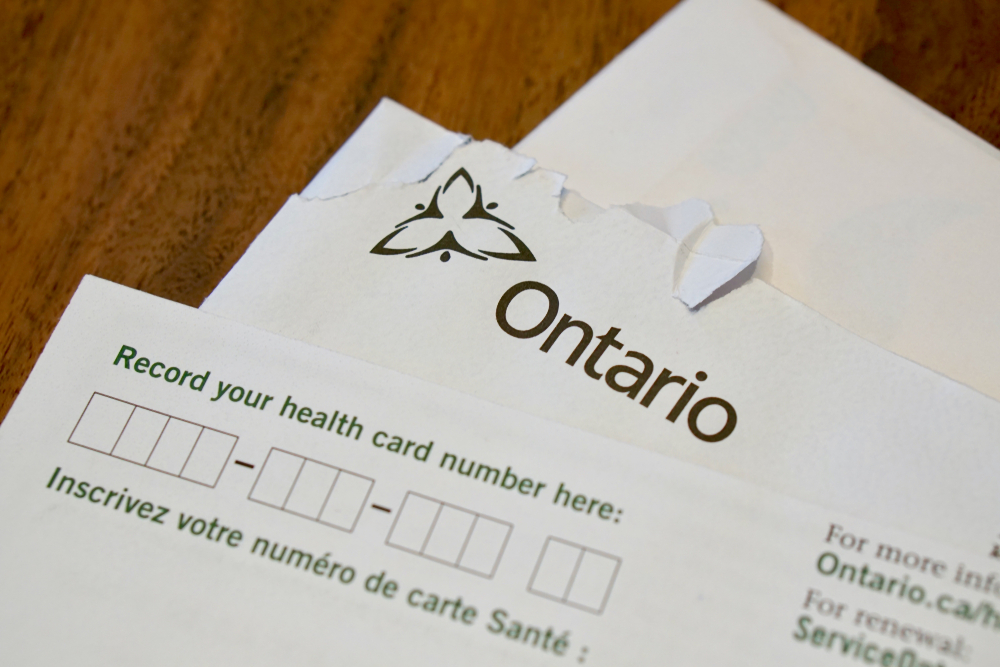
You access OHIP by applying through ServiceOntario and receiving a photo health card. This card confirms your eligibility and must be shown whenever you use covered health services. You should carry it with you when you visit a doctor, hospital, walk-in clinic, or lab. OHIP is not automatic—residents need to apply and update their information if they move or change status. Renewals happen every five years, and you must keep your address and personal information current to avoid losing coverage.
Who Is Eligible for OHIP?
Eligibility for OHIP depends on your legal status and residence in Ontario. You are eligible if you are a Canadian citizen, permanent resident, or certain categories of temporary resident who makes Ontario your primary home. You must be physically present in Ontario for at least 153 days in a 12-month period and make Ontario your main place of residence. New residents often wait three months before coverage begins, although some exceptions exist. If you are an international student, temporary foreign worker, or refugee claimant, you may or may not qualify, depending on your specific circumstances.
What Does OHIP Cover in Ontario?
OHIP covers a wide range of medically necessary services. Coverage is grouped into categories such as physician services, hospital care, diagnostics, and specific procedures. These services are available whether you visit a family doctor, a walk-in clinic, or an emergency department, provided the care is medically necessary.
Physician and clinic services
- Visits to family doctors, walk-in clinics, and other general practitioners for medically necessary reasons
- Telehealth and virtual visits when medically required
- Referrals to specialists made by a primary care doctor or walk-in physician
Hospital services
- Emergency room visits, inpatient stays, and outpatient treatments
- Diagnostic tests like blood work, ultrasounds, and X-rays ordered by a doctor
- Standard ward hospital rooms, nursing services, and meals during admission
Laboratory and diagnostic services
- Blood tests, urine tests, and other lab work ordered by a physician or nurse practitioner
- Imaging such as X-rays, CT scans, and MRIs when medically necessary
Specific procedures and treatments
- Medically necessary surgeries, including certain dental surgeries done in hospitals
- Abortions, whether surgical or medication-based
- Eligible podiatry services for foot health, though coverage is limited
- Eye exams for people under 20, over 65, or adults with specific medical conditions such as diabetes, glaucoma, or cataracts
- Ambulance services when medically necessary and deemed urgent by a physician
These covered services demonstrate that OHIP focuses on medically required care. When you visit a walk-in clinic for an illness or injury, most assessments and necessary tests fall within OHIP coverage.
What Does OHIP NOT Cover?
OHIP does not cover all health services, especially those considered elective or outside the scope of medically necessary care. Understanding these gaps helps you plan for private insurance or out-of-pocket costs.
Dental care
- Routine cleanings, checkups, fillings, crowns, and dentures
- Dental procedures performed in a dentist’s office, unless the surgery requires hospital care
Vision care
- Eye exams for adults aged 20–64 without a qualifying medical condition
- Glasses, contact lenses, and laser eye surgery
Prescription drugs
- Medications prescribed outside of a hospital setting, unless you qualify for a specific drug program like OHIP+ (for children and youth), the Ontario Drug Benefit (for seniors), or assistance programs for low-income residents
Cosmetic and elective procedures
- Cosmetic surgery such as liposuction, botox, or procedures done solely for appearance
- Some forms of physiotherapy, chiropractic care, and massage therapy unless prescribed and performed in approved facilities
Hospital and other services
- Private or semi-private hospital rooms unless medically required
- Travel vaccinations, sick notes for work, and most forms requested by employers or insurance companies
These exclusions mean that even though OHIP provides broad coverage, you may face additional costs for routine or elective services. Walk-in clinics often charge for forms, travel medicine consultations, or procedures that fall outside OHIP.
What Happens If You Leave the Province?
If you leave Ontario temporarily, OHIP continues to cover you for short trips within Canada or abroad, but the coverage has limits. Within Canada, OHIP pays for doctor and hospital services at Ontario rates, but you may need to pay upfront and seek reimbursement. Outside Canada, OHIP pays very limited amounts, and private travel insurance is strongly recommended. For students studying elsewhere, workers on short-term contracts, or snowbirds, special rules may extend coverage for up to two years with proper paperwork. However, out-of-country care almost never covers the full cost, and many people choose supplemental insurance.
What If You’re Not Covered?
If you are not covered by OHIP, you are responsible for paying for medical services or obtaining private insurance. International students often buy health coverage through their schools. Refugee claimants may qualify for the Interim Federal Health Program, but its scope is narrower than OHIP. Some community health centres provide basic care regardless of coverage, but services are limited. For people without OHIP, walk-in clinics may still see you, but they will usually require payment upfront. Blood tests, X-rays, and prescriptions also carry additional costs if not covered.
Book a Same-Day Walk-in Clinic Appointment at Infinity Health
Walk-in clinics play an important role when you cannot see your family doctor. Infinity Health offers same-day walk-in appointments in Toronto and Oakville, providing access to physicians, diagnostic testing, and referrals. With OHIP, your visit is covered if the care is medically necessary. Without OHIP, you can still access services, but you should expect to pay out-of-pocket.
Infinity Health Locations
Toronto: 39 Lower Simcoe Street, Toronto, ON M5J 3A6
Oakville (Bronte Village): 2441 Lakeshore Rd W, Oakville, ON L6L 5V5
Book An Appointment Today


Health Care Options in Ontario Explained - A Full Guide
Ontario offers a wide network of healthcare services that give residents different ways to get medical care when they need it. The system includes family doctors, walk-in clinics, urgent care centres, pharmacies, emergency rooms, and more. Choosing the right option depends on the seriousness of your condition and whether you need ongoing care or immediate treatment. Knowing how each service works helps you make faster, safer choices about where to go when you or your family need help.
In this article, we will cover:
- Pharmacies
- Family Doctors
- Walk-in Clinics
- Urgent Care Centres
- The Emergency Room
- Telehealth Ontario
- Mental Health Support Lines
- Private, Community-Based Clinics
- Medical Testing Laboratories
- Public Health Units
- Getting Healthcare After Hours in Ontario
1. Pharmacies
Pharmacies in Ontario are an accessible first stop for many minor health needs. They are staffed by licensed pharmacists who can both dispense prescriptions and provide medical advice. Pharmacists in Ontario are authorized to diagnose and prescribe treatments for a wide range of minor ailments, which makes them a convenient alternative when you want quick treatment for simple problems.
You can go to a pharmacy for:
- prescription refills
- questions about side effects or interactions between medications
- advice on over-the-counter medications for colds, headaches, or stomach issues
- vaccinations such as flu shots or COVID-19 boosters
- help with smoking cessation programs
- a medication review to ensure your prescriptions are safe and effective
What Can Pharmacists in Ontario Diagnose?
According to the Ontario College of Pharmacists, pharmacists are trained to diagnose and treat the following minor ailments:
- Acne
- Allergic rhinitis
- Aphthous ulcers (canker sores)
- Candidal stomatitis (oral thrush)
- Conjunctivitis (bacterial, allergic, and viral)
- Dermatitis (atopic, eczema, allergic, and contact)
- Diaper dermatitis
- Dysmenorrhea
- Gastroesophageal reflux disease (GERD)
- Hemorrhoids
- Herpes labialis (cold sores)
- Impetigo
- Insect bites and urticaria (hives)
- Tick bites, post-exposure prophylaxis to prevent Lyme disease
- Musculoskeletal sprains and strains
- Nausea and vomiting of pregnancy
- Pinworms and threadworms
- Urinary tract infections (uncomplicated)
- Vulvovaginal candidiasis (yeast infection)
What Can Pharmacists in Ontario Prescribe?
Pharmacists in Ontario can prescribe medications for the above ailments, including certain drug classes and specified drugs. For the complete list of what pharmacists can prescribe, see the Minor Ailments – Drug Classes and Specified Drugs resource.
2. Family Doctors
Family doctors are the cornerstone of healthcare in Ontario because they provide long-term, continuous care. A family doctor manages both minor illnesses and chronic conditions, giving you a consistent medical record and an ongoing relationship with a single physician. They also coordinate referrals to specialists such as endocrinologists, cardiologists, or dermatologists when you need advanced care.
See also: Finding a Family Doctor in Ontario
You can go to a family doctor for:
- continuity of care for chronic conditions (for example diabetes or hypertension)
- preventive care such as checkups, screenings, and immunizations
- referrals to specialists or medical testing laboratories
- support for mental health concerns or long-term treatment planning
- guidance for managing multiple prescriptions or complex medical needs
Having a family doctor means you gain an advocate in the healthcare system. This connection helps ensure better follow-up, easier access to referrals, and more complete oversight of your health.
Family Doctors vs Family Health Teams
There are two kinds of family doctors in Ontario: those who practice independently and those who work as part of a Family Health Team. For patients, the difference is not always obvious, since both types of doctors provide ongoing care, manage chronic conditions, and make referrals when needed. Still, there are a few details that are useful to clarify.
Family Health Teams do not allow their patients to visit walk-in clinics. This restriction exists because of how funding and pay structures are set up. Each team receives money to cover the care of rostered patients, so care is expected to remain within the team. If patients go outside to a walk-in clinic, the payment model penalizes the team, discouraging care outside their system.
Instead of relying on walk-in clinics, Family Health Teams are required to arrange after-hours care within the team itself. This might include evening clinics, on-call physicians, or nurse-led appointments, ensuring that patients still have access to urgent but non-emergency care when their regular doctor is not available.
Another difference is that Family Health Teams include a wider range of health professionals under one roof. These typically include:
- a team of family physicians
- nurse practitioners
- registered nurses
- social workers
- dietitians
- other professionals, such as psychologists, respiratory therapists, occupational therapists, or chiropodists
This structure gives patients access to more types of care in one place and promotes better communication among providers.
3. Walk-in Clinics
Walk-in clinics are designed for non-emergency situations where you need timely care but do not have access to your family doctor. They are staffed by general practitioners who can diagnose and treat minor illnesses and injuries, order basic tests, and provide prescriptions. Walk-in clinics fill an important gap in the healthcare system by serving people who do not have a family doctor or cannot get a same-day appointment.
You can go to a walk-in clinic for:
- minor cuts, abrasions, or sprains
- coughs, colds, sore throats, or flu-like symptoms
- ear infections or eye irritations such as pink eye
- simple skin conditions such as rashes or mild infections
- prescription refills when your family doctor is not available
- routine blood pressure checks or health guidance
Walk-in clinics are not set up for long-term management of chronic illnesses. If you have diabetes, heart disease, or another ongoing condition, they can provide temporary help, but you will still need a family doctor or specialist to manage your care over time.
4. Urgent Care Centres
Urgent care centres provide an intermediate option between a walk-in clinic and the emergency room. They are usually located within or close to hospitals and have extended hours, making them more accessible outside of standard clinic times. Urgent care centres are designed to treat serious but non-life-threatening conditions that require attention quickly but are not true emergencies.
You can go to an urgent care centre for:
- suspected broken bones or fractures
- injuries requiring stitches
- burns that are not life-threatening but need medical attention
- severe sprains, strains, or other musculoskeletal injuries
- significant cuts, abrasions, or infections that cannot be treated at a walk-in clinic
The advantage of urgent care centres is that they often have access to diagnostic tools like X-rays or laboratory services, which walk-in clinics may not. They are also less crowded than emergency rooms, so wait times are often shorter for non-emergency problems.
5. The Emergency Room
The emergency room is the right choice for life-threatening or very serious conditions. ERs are open 24 hours a day and are equipped with advanced diagnostic tools, specialists, and the ability to admit patients to the hospital if needed. Emergency departments prioritize patients based on the urgency of their condition, not on when they arrived, so someone with chest pain will be treated before someone with a sprained ankle.
See also: Should You Go to the Walk-In Clinic or to the Emergency Room?
You can go to the emergency room for:
- chest pain or signs of a heart attack
- difficulty breathing or shortness of breath
- severe injuries, such as head trauma or major fractures
- uncontrolled bleeding
- sudden weakness, numbness, or signs of a stroke
- severe allergic reactions
- any condition that is life-threatening or expected to worsen within 72 hours
Using the ER for minor issues contributes to longer wait times and strains the system. Whenever possible, use a walk-in clinic or urgent care centre for non-emergency needs, and reserve the emergency department for true emergencies.
6. Telehealth Ontario
Telehealth Ontario is a free, confidential service that allows you to speak with a registered nurse over the phone. It is available 24 hours a day, seven days a week, and is a good option when you are unsure whether you need to see a doctor, go to a clinic, or visit the emergency room. Nurses use established protocols to assess your symptoms, provide advice, and recommend the most appropriate next step.
You can go to Telehealth Ontario for:
- health advice when you are not sure how serious your symptoms are
- guidance on whether you should go to a walk-in clinic, urgent care, or emergency room
- questions about medications or side effects
- advice about caring for a child or elderly family member with mild symptoms
- support for managing chronic conditions between medical visits
Telehealth does not replace in-person care. Nurses cannot diagnose conditions, prescribe medications, or order tests, but they can direct you to the right level of care and provide peace of mind when you are uncertain.
7. Mental Health Support Lines
Ontario offers several mental health support lines that connect you with trained counsellors or crisis workers. These services are available by phone or online and are designed to give immediate support when you or someone you know is struggling with mental health challenges. Some services are available 24/7, while others operate during extended hours.
You can go to mental health support lines for:
- speaking with a counsellor when you feel overwhelmed, anxious, or depressed
- crisis support if you or someone you know is at risk of self-harm
- guidance about community mental health programs and resources
- support in managing stress, grief, or difficult life changes
While these lines provide emotional support and referrals, they do not replace ongoing treatment from a family doctor, psychiatrist, or psychologist. If you are in immediate danger or at risk of harming yourself, the emergency room remains the safest option.
8. Private, Community-Based Clinics
Private, community-based clinics cover a broad range of health services that fall outside the traditional family doctor or hospital system. These clinics may be covered by OHIP for certain services, but many require private insurance or out-of-pocket payment. They often provide specialized care and shorter wait times compared to hospital-based services.
You can go to private, community-based clinics for:
- physiotherapy, chiropractic, or massage therapy
- optometry for eye exams or vision correction
- dentistry for oral health and dental procedures
- psychotherapy or counselling for mental health support
- naturopathy, acupuncture, or other complementary care
These clinics can be useful for targeted treatment or when you prefer faster access. However, not all services are covered under OHIP, so it is important to check costs and insurance coverage before booking care.
9. Medical Testing Laboratories
Medical testing laboratories in Ontario provide diagnostic services such as blood tests, urine tests, and imaging scans. These labs play a vital role in confirming diagnoses, monitoring chronic conditions, and supporting preventive care. Access to a lab usually requires a referral from a healthcare professional, although some testing can be ordered by non-physician providers such as naturopaths or chiropractors.
You can go to a medical testing laboratory for:
- blood work ordered by a doctor, nurse practitioner, or naturopath
- imaging such as X-rays or ultrasounds when referred by a healthcare provider
- lab testing to monitor chronic illnesses like diabetes or high cholesterol
- follow-up testing after hospital discharge or specialist care
Labs cannot provide direct medical advice. They perform tests, but your results are always reviewed and explained by the healthcare provider who ordered them.
10. Public Health Units
Public health units in Ontario are responsible for community-level health services and disease prevention. They provide programs and services that focus on protecting populations rather than treating individual illnesses. Public health units also partner with hospitals and primary care providers to ensure continuity of care after hospital discharge.
You can go to a public health unit for:
- vaccinations and immunization programs
- sexual health services, including STI testing and birth control
- information and support for new parents and child health programs
- nutrition counselling and community health programs
- services for managing outbreaks and promoting public health initiatives
Public health units also coordinate specialized programs such as stroke rehabilitation groups, physiotherapy programs, and chronic disease prevention efforts. Their work helps keep communities healthier while reducing the strain on hospitals and family doctors.
11. Getting Healthcare After Hours in Ontario
Accessing healthcare after regular office hours can be challenging, but Ontario has options designed to make care available when you need it. The best choice depends on the urgency of your condition.
You can go for after-hours care through:
- Family Health Teams, which must arrange evening or weekend availability for their rostered patients
- Urgent care centres, which extend their hours beyond typical clinic times to handle serious but non-emergency issues
- Emergency rooms, which operate 24/7 for life-threatening conditions or urgent problems that cannot wait
- Telehealth Ontario, which provides around-the-clock nurse advice at 1-866-797-0000
The right choice depends on your symptoms. For example, a sore throat or prescription refill may wait for the next day at your family doctor, while a suspected broken bone can be treated at an urgent care centre. Chest pain or severe shortness of breath should always be managed at the emergency room.
Book a Same-Day Walk-in Clinic Appointment at Infinity Health
Your time and well-being matter. That’s why Infinity Health keeps care simple, convenient, and compassionate. If you or your family need medical attention today, book a same-day appointment and let us support you on the path back to feeling better.
Infinity Health Locations
Toronto: 39 Lower Simcoe Street, Toronto, ON M5J 3A6
Oakville (Bronte Village): 2441 Lakeshore Rd W, Oakville, ON L6L 5V5